
Harness the Power of the Sun
What are Solar Panels?
We install solar PV on homes and businesses across Caithness and Sutherland. Long northern summer days mean generation holds up better this far north than most people expect. There are two main types of solar panels available. While both are centred around solar energy, they diverge in their approaches and applications: solar thermal (hot water) and solar photovoltaic or PV (electricity).
What is Solar Thermal?
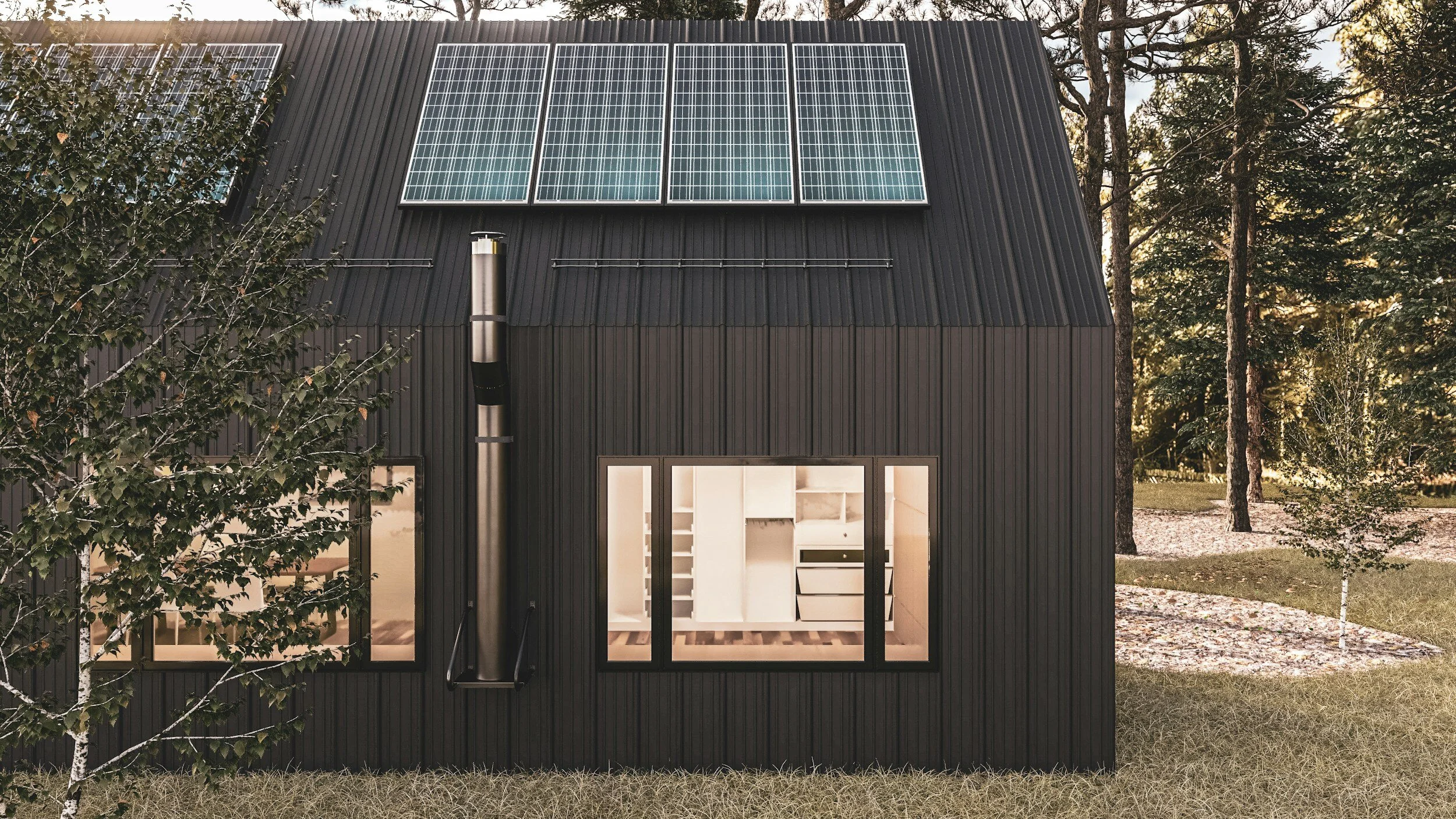
Solar thermal uses the suns thermal energy to capture heat and transfer this heat into your hot water tank. This heat can in theory be used for other things however it isn’t well suited to space heating as when the sun is powerful enough to provide meaningful amounts of heat (in the summer) there is generally no need for space heating. Domestic hot water or DHW on the other hand is less seasonal and generally needed all year round. In terms of energy use in a modern property this is one of the few areas where energy use is increasing, as people are looking to have longer more luxurious showers etc. Solar Thermal is a good way to capture free solar power and use it to reduce your reliance on fossil fuels to create this DHW.
What is Solar PV?
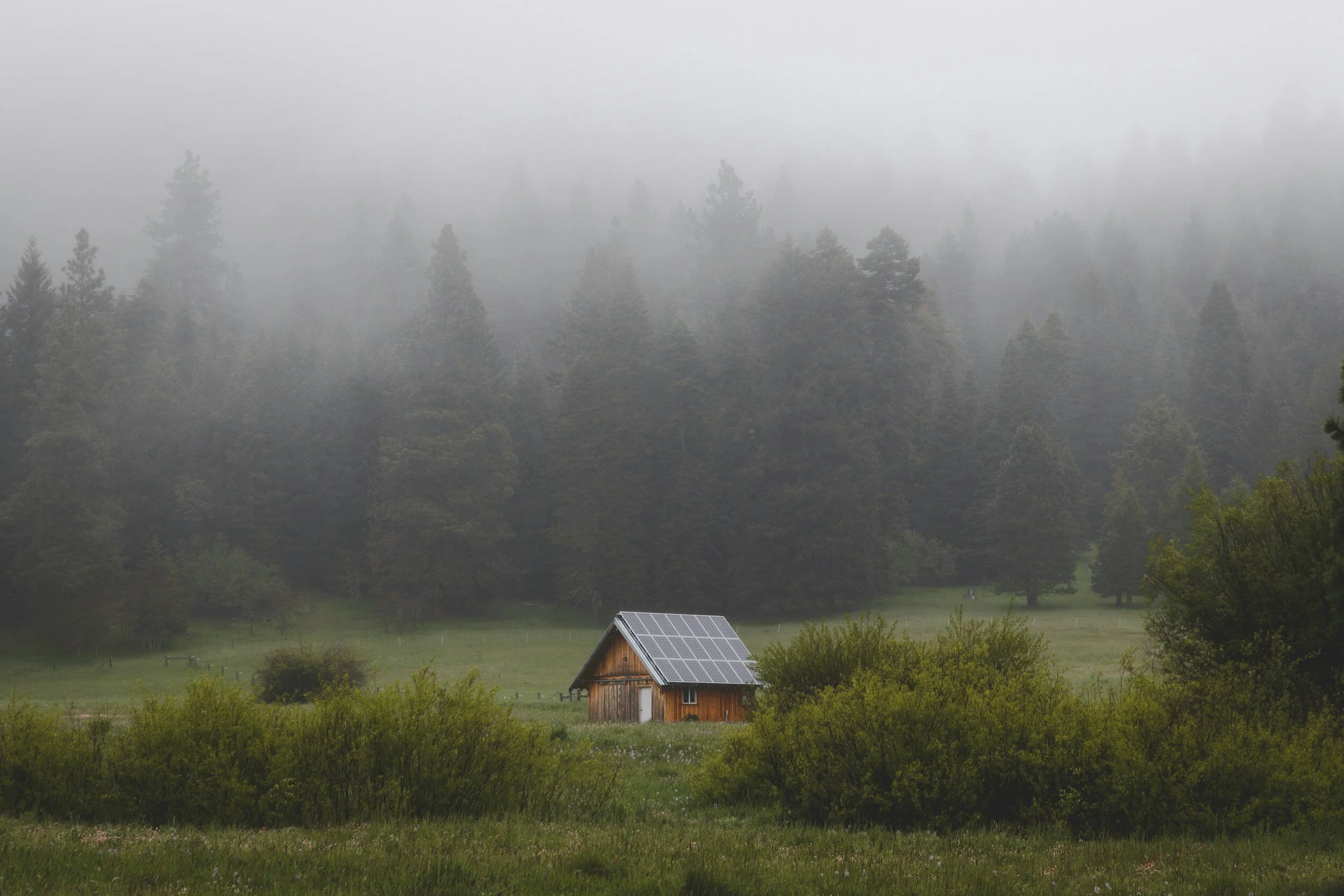
Solar PV captures the suns energy in the same way to thermal but using a series of photovoltaic cells it coverts this energy to DC voltage similar to that found in a AA battery. This DC power is then wired up to an entire array of other panels, typically 10-14 panels before being wired back to an inverter. The inverter coverts the DC voltage into AC voltage which can then be used in your home or sent back out to grid to help give the UK a greener electric grid.
PV vs Thermal?
Solar PV is much better than Thermal in our opinion as electrical energy is worth more than thermal energy. At the time of writing this I currently pay 34.4p/kWh for electric and around 7.5p/kWh of gas. Its also much more useful as you can use electric for a great deal more than heat, e.g. lights, appliances, cooking, charging an electric vehicle and if you really want to you can use an immersion heater to dump it into you hot water tank via an electric immersion heater.
Why would I want solar PV?
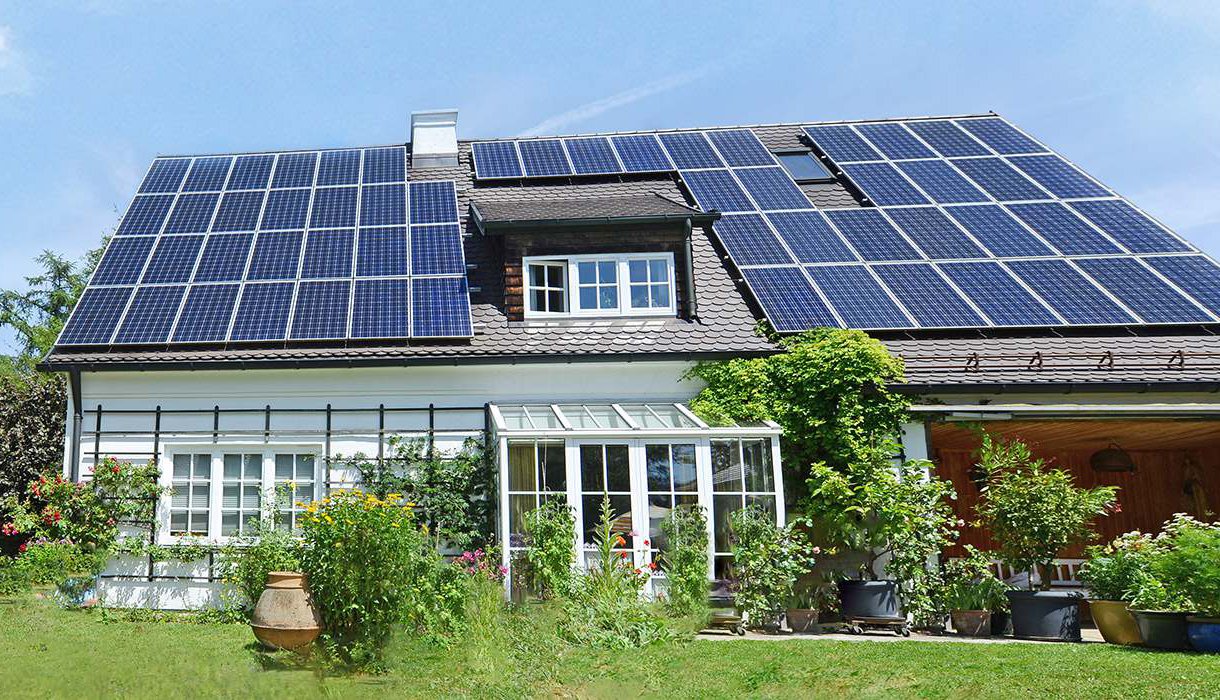
The main incentive for installing solar panels is of course financial, but you can also sleep a little better at night knowing your helping reduce CO2 emissions and doing your bit to fight global warming. Most of our PV arrays tend to pay for themselves in around 7 years, for example a 5kW array installed for a cost of £7000 should save you around £1000 per year.
What’s involved in installing solar panels?
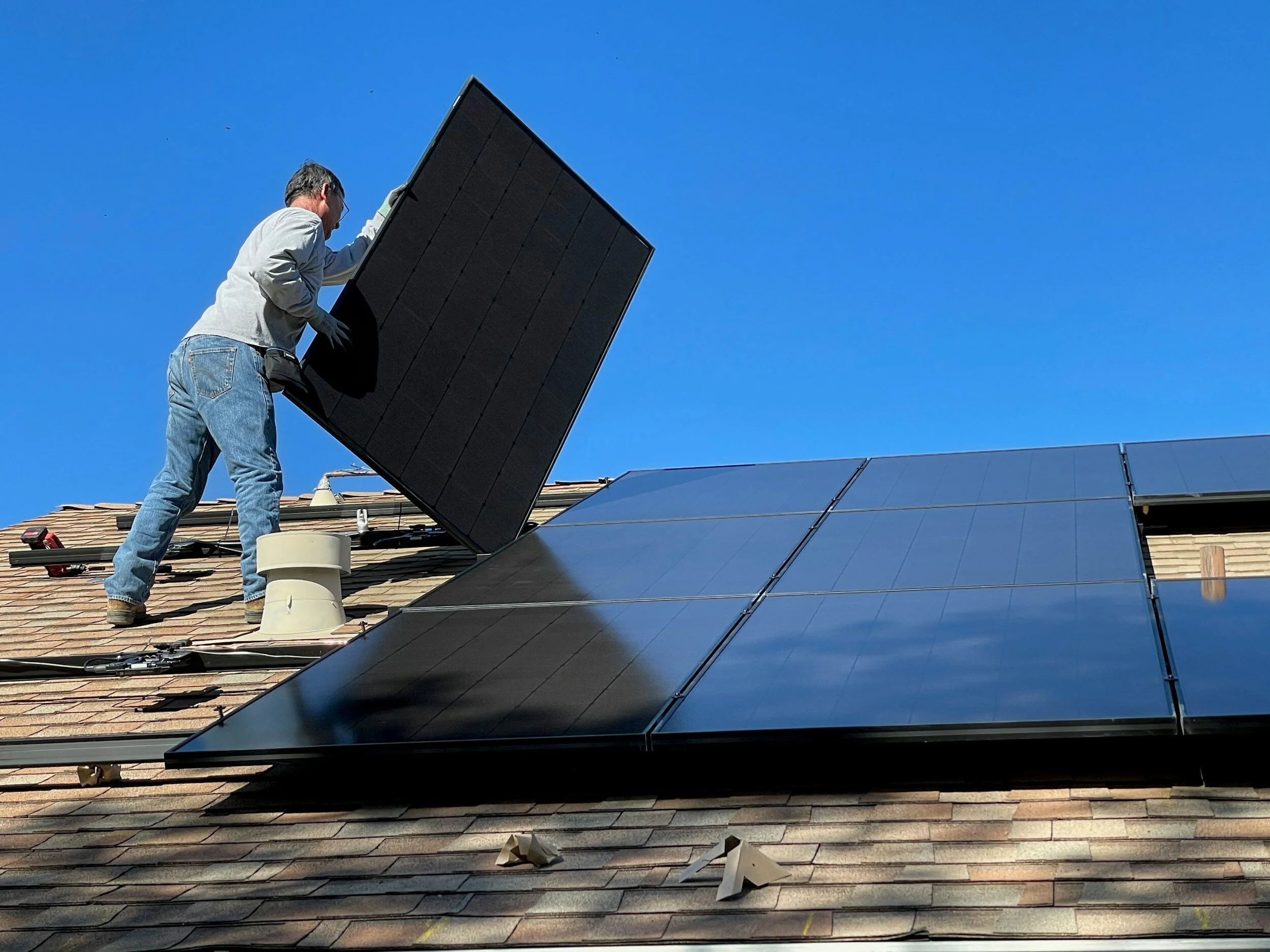
Well, the good news is most of the work is on your roof, depending on the type of roof you have there are several different methods for achieving this. On a new build we would generally use an “in roof” kit meaning the panels are flush mounted into the roof and then tiles all around them. On a retrofit however we would use an “on roof” kit where brackets and rails are used to fix the panels without the need for any flashings etc. Inside your home we would need to pick up a dedicated power supply from you distribution board and find somewhere to mount the inverter. The inverter itself is quite compact and can easily fit in a loft or cupboard most of the time. A typical install is normally completed in about a day or so.
How much room does it take up?
This can vary depending on the number of solar panels you might want to have but our recommended size is normally 10-14 panels or 20-25m2 of roof space. The panels come in lots of different types from colour to size and larger panels are becoming more and more popular.
Do I need permission?
You are allowed to install solar panels under permitted development rights as long as your proposed array meets the requirements such as not being in a conservation area etc. You also don’t need to get any permission from the District Network Operator or DNO as long as your inverter capacity is less that 3.68kW per phase. Our DNO is SSEN and if you would like an inverter larger than 3.68kW then you will need to ask them for permission however we can help with this process. Its worth noting that most inverters are capable of receiving 150% solar input, this means a 3.68kW inverter can take 5.52kW worth of solar panels. This setup would give you a good size array without having to ask permission.
How do I get the best out of my solar panels?
The trick here is making sure as much as possible that you are using the free electric which is produced. Afterall if you generate 4000kWh of free electric and send it all back into grid then you’re not likely to get paid very much for it. There are tariffs available from some energy providers, but these are a fraction of what they used to be and ultimately are not likely to be higher than what you pay to buy electric from the grid. Because of this you DON’T want to export your power to grid and you DO want to use it as much as possible in your house. There are lots of clever ways of achieving this including the use of a home battery system, but even basic things like having your appliances such as washing machine timed to come on during the middle of the day can help make the most of it.
Why should I use RDI Renewables for my solar panels?
Because we have lots of experience and we are local. We have been installing and maintaining solar PV systems in and around Caithness now for over 12 years. We have learned a lot in this time and have the qualifications to back it up. We know the local conditions, in particular the wind and horizontal rain that comes with living in the highlands! We don’t often venture too far out of this area because we don’t feel we can offer the aftercare our clients deserve. We have office staff who strive to meet our clients needs as efficiently as possible by sending out one of our team when necessary.
What about funding?
Home Energy Scotland have been providing free impartial advice for many years now and they are the best people to contact in relation to this. They will be able to keep you right and let you know what funding you can get access to. This can include very attractive grants and interest free loans.
How do I move forward?
Click here to fill out our contact form and give us as much information as possible. We can quickly provide you with a desktop quotation and follow up with a site visit to survey your house soon after.