

Heat Pumps
Heating and Domestic Hot Water Systems for a Green Future
Discover our sustainable solutions
RDI Renewables install air source and ground source heat pumps across Caithness and Sutherland. A modern heat pump delivers three to five times more heat than the electricity it uses, and keeps working well below freezing. Renewables such as heat pumps offer a very cost-effective way in which to generate your energy needs.
Unlock savings with government grants which can slash upfront costs. We’re experts in providing energy-efficient solutions in Caithness and Sutherland. This means that not only are we close by for installation, but we also continue to support you with any maintenance and servicing you may need, so get in touch today.
Benefits of Heat Pumps

Cost Effective

Minimal space requirement

Yearly energy savings

Remote access problem solving
Find out more or call us now. We can advise you on the
options and installation process.
All you need to know about Heat Pumps
Heat pumps are a great way to get your heating bills under control and can provide you with heating and hot water at an affordable cost. There are several different types of heat pump on the market, air, water and ground source. RDI specialises in air source as it’s more suitable and more economical for the area that we serve.
A heat pump uses technology similar to that found in a refrigerator or an air conditioner. It extracts heat from a source, such as the surrounding air, geothermal energy stored in the ground, or nearby sources of. It then amplifies and transfers the heat to where it is needed. This heat is then used to provide a property with space heating and hot water.
RDI Renewables have installed ground and water source heat pumps however air source is much more common.
What is a Heat Pump?
Why would I want a heat pump?
The main reason you might want to have a heat pump installed is to make savings on your energy costs. Although heat pumps consume electrical energy, they only do so in order to create the correct heat transfer conditions so that heat can be absorbed from outside and into the property. As a result of this the ratio of electrical energy consumed versus heat energy output is very efficient, we call this the COP or coefficient of performance.
A typical COP for an air source heat pump would be around 3 although many are able to achieve closer to 5. This means for every 1kWh of electricity consumed the heat pump would produce 3kWh of heat. When compared with electric heating which sees an efficiency of 1kWh of heat out for every 1kWh consumed, its clear why heat pumps are becoming so popular.
In short, a heat pump can provide you with a very efficient heating system which can provide you with a warm house and a luxurious amount of hot water for your property. By reducing your energy consumption, you are also reducing your homes carbon footprint and playing a vital role in helping to decarbonise the country.
Heat pumps also work very well with solar PVs and batteries, after all they haven’t invented a solar panel which produces kerosene yet!
What’s involved in the installation of a heat pump?
This can vary a lot depending on the type of property you have, sometimes we can literally show up with the heat pump and complete the work in around a day. However, this is uncommon and in the vast majority of cases upgrades to the radiators and hot water tank will be required.
Heat pumps are more efficient when producing lower temperatures so we like to run them between 30 and 55°C. A conventional heating system runs at more like 60-75°C therefore the radiators normally need to be about double the size as a rule of thumb and your hot water tank needs to be replaced with one which is suitable for heat pumps.
The work is all carried out by our in house install team and typically takes around a week.
What about afterwards?
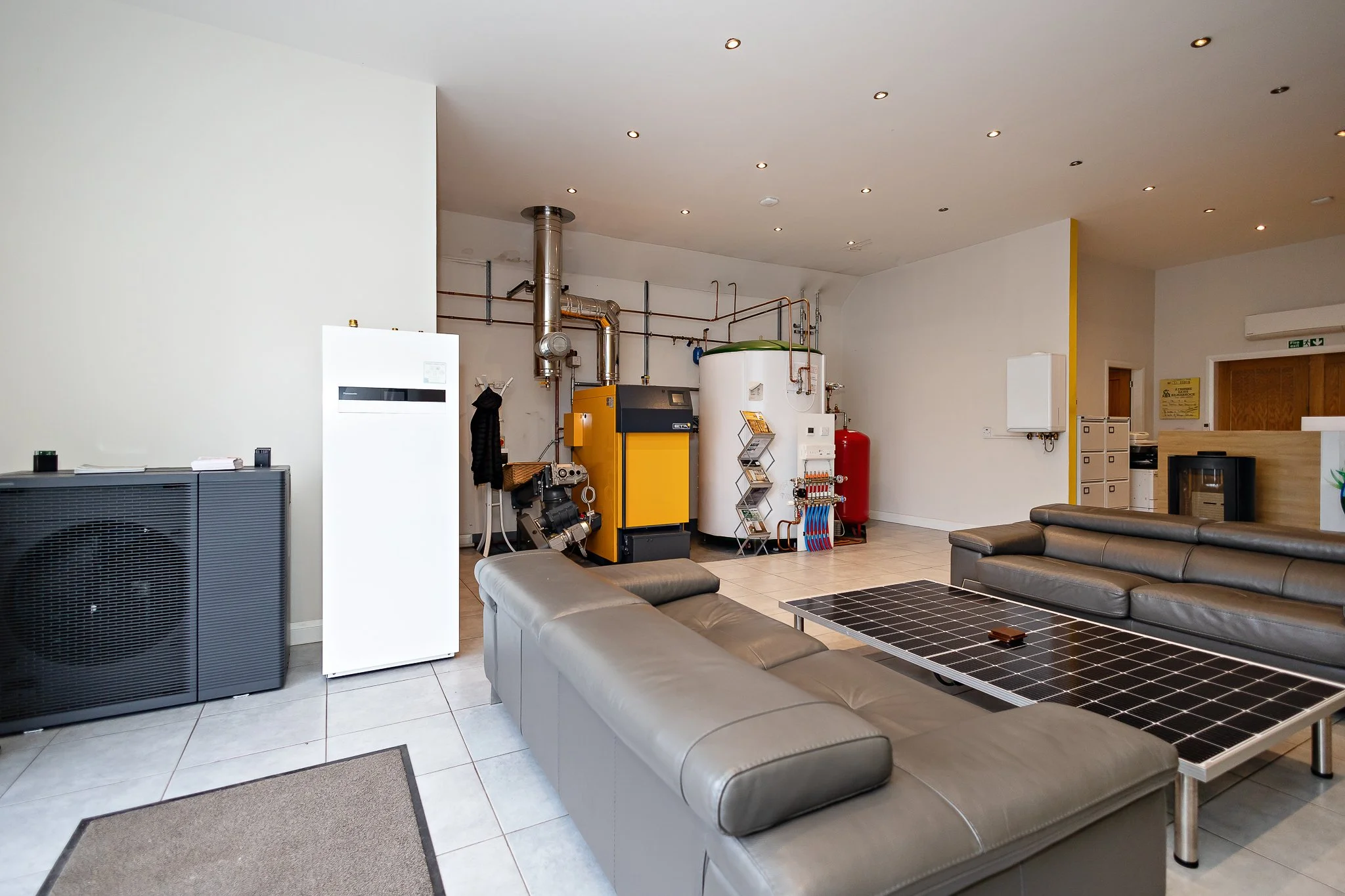
After your heat pump is installed, commissioned and handed over to you, your system will be optimised for maximum efficiency and the controls will be demonstrated to you in full. We automatically contact you every year for an annual service which is needed to keep up with 7 years manufacturers warranty. Beyond this we also monitor the majority of our heat pumps remotely so in the unlikely event of an issue we are notified at the office instantly and can arrange corrective action in good time. In most cases this can also be done remotely as with your permission we are able to reset, data log and adjust parameters.
This facility also enables you to control your heating system remotely as well so when you’re on your way back from holidays you can turn the heating on once you land at Edinburgh airport and by the time you get home your property will be nice and cosy. We believe strongly that aftercare is an area where we excel as a company and we intend to look after you long after you install is complete.
What’s the best way to run my heat pump?
There is always debate within the industry on this one but the general consensus is that the best way to run your heat pump is to leave it on as long as possible and at a low temperature. Of course, your individual requirements need to be looked at such as house architype and tariffs but as far as efficiency is concerned its best to leave it on where possible. All heating systems can be affected by short cycling, i.e. switching on and off too frequently but this is particularly severe when we look at heat pumps. Allowing the heat pump to run at a low modulation point for long periods od time is when you will really start to see this technology shine.

How do I go about getting a heat pump?
First of all, I would reach out to us via the contact form on the website, we can provide you with a desktop quote most of the time using basic information. This is of course backed up by a site survey later on in the process.
Beyond this you will want to explore any funding which may be available to you, over the years Home Energy Scotland have been the best source of this and provide free, impartial advice as well as loans and grants to help you improve your properties efficiency. You can give them a call on 0808 808 2282 or visit their website here to find out what your options are.
How Air to Water Heat Pumps Work?
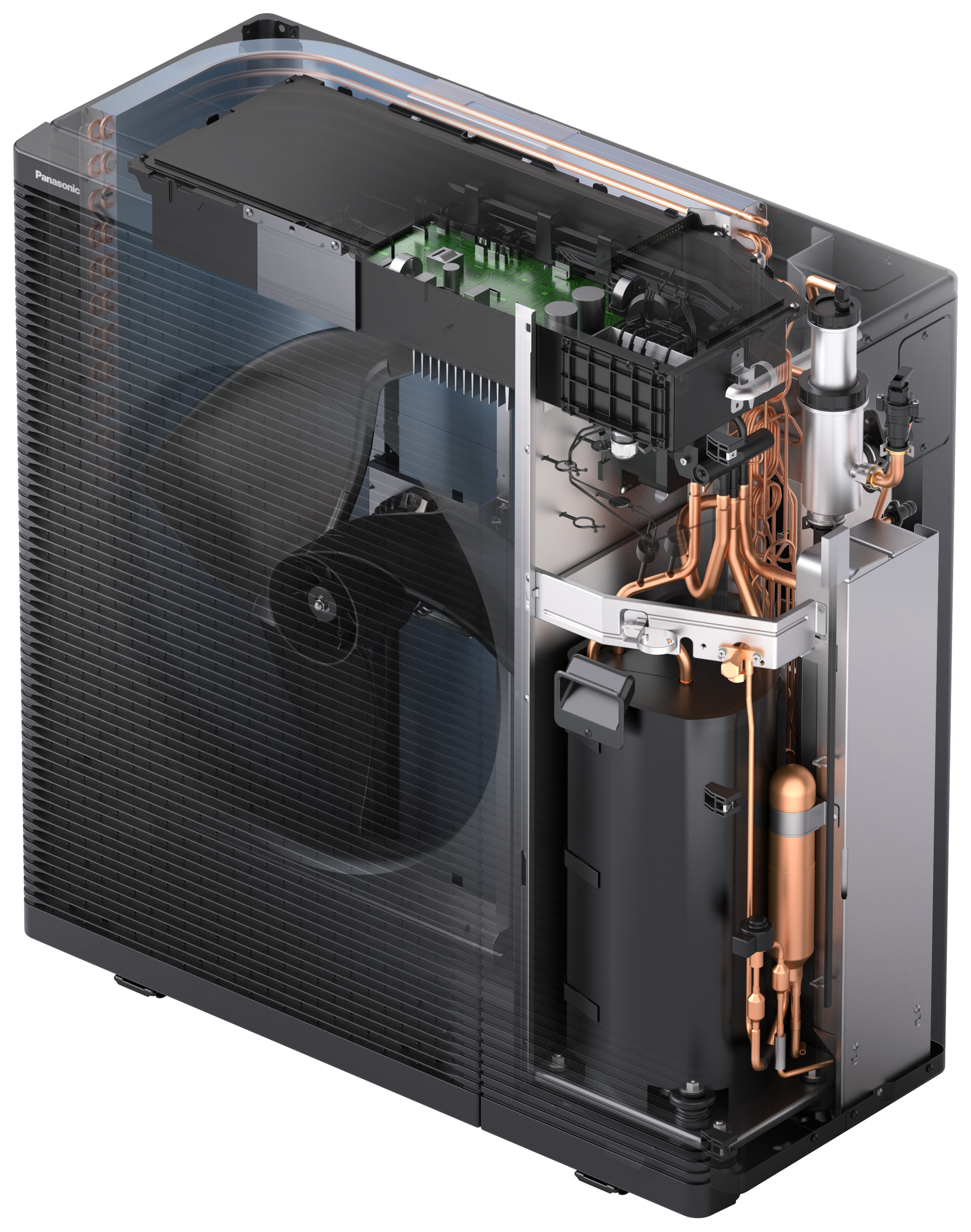
Air-to-water heat pumps are designed to transfer heat from the outdoor air to water. This versatility makes them ideal for applications beyond indoor climate control, extending their use to heating water for domestic use and hydronic heating systems.
An air-to-water heat pump consists of an outdoor unit (evaporator), an indoor unit (condenser), and a refrigerant that circulates between them. The outdoor unit of the heat pump extracts heat from the surrounding air. This low-grade heat is then transferred to the refrigerant, which evaporates, absorbing the heat in the process.
The low-pressure, low-temperature vaporised refrigerant is then compressed by a compressor. Compression raises both the pressure and temperature of the refrigerant, turning it into a high-pressure, high-temperature gas, which flows to the indoor unit.
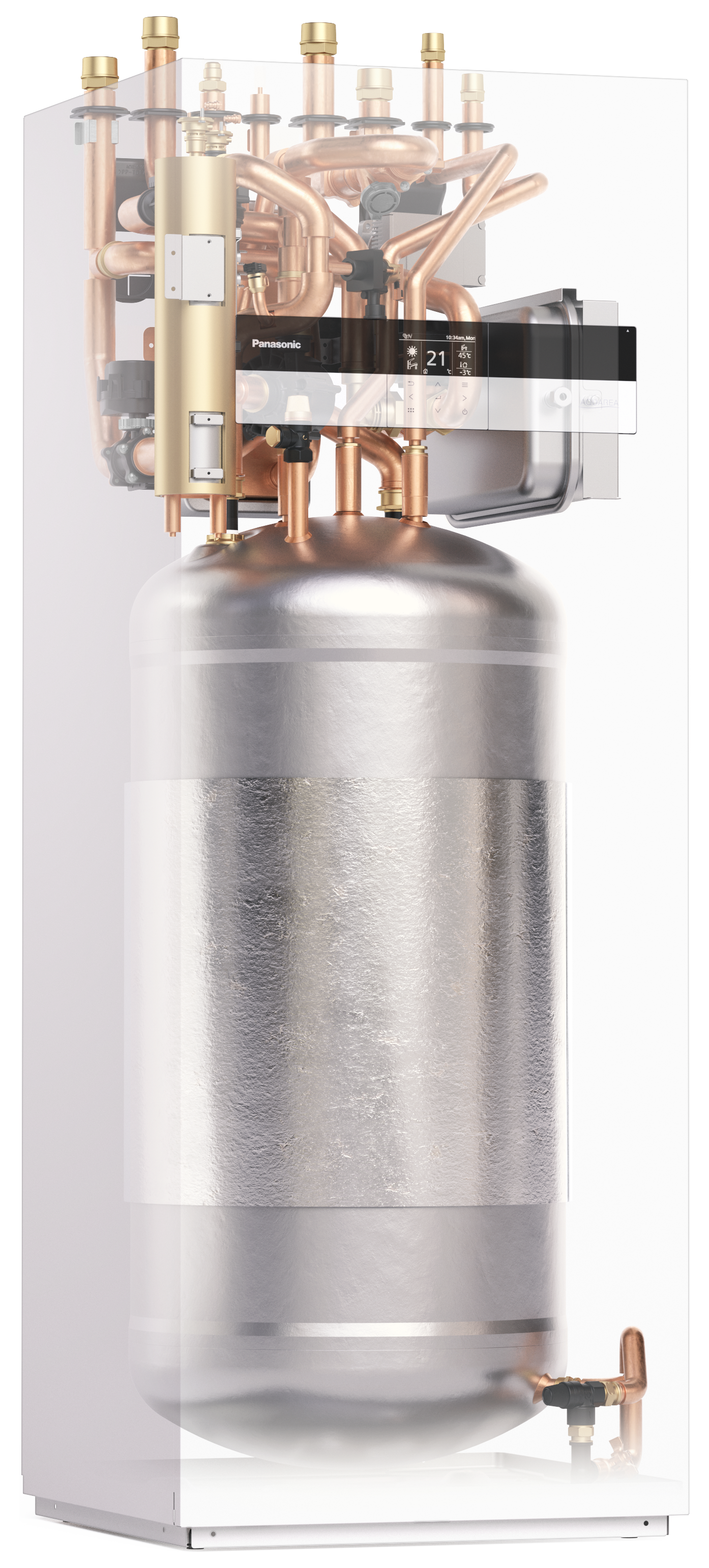
The high-pressure, high-temperature gas is now passed through a condenser coil in the indoor unit. This coil is part of the water-based heating system. As the refrigerant releases heat to the water in the system, it undergoes condensation, transitioning back into a liquid state.
The liquid refrigerant then passes through an expansion valve. This valve reduces the pressure of the refrigerant, causing it to cool down and prepare for the next cycle. The cooled refrigerant then returns to the outdoor unit, and the cycle repeats.
While air-to-water heat pumps perform well in moderate climates, advancements in technology, such as inverter-driven compressors and advanced refrigerants, have improved their efficiency even in colder conditions. Some models are designed to operate efficiently in sub-zero temperatures.
Air-to-water heat pumps can seamlessly integrate with existing heating systems, providing an energy-efficient upgrade. They can work alongside traditional boilers or complement solar thermal systems to optimise energy usage.
The environmental benefits of air-to-water heat pumps include reduced reliance on fossil fuels for water and space heating. As electricity grids transition to cleaner energy sources, the carbon footprint of these systems continues to diminish.
Air-to-water heat pumps represent a dynamic solution for sustainable heating and water heating needs. Their ability to efficiently harness heat from the air, coupled with their versatility in providing both space heating and hot water, positions them as key players in the transition to greener and more comfortable living spaces. As technology evolves, air-to-water heat pumps are poised to continue making waves in the quest for energy-efficient and environmentally friendly heating solutions.