
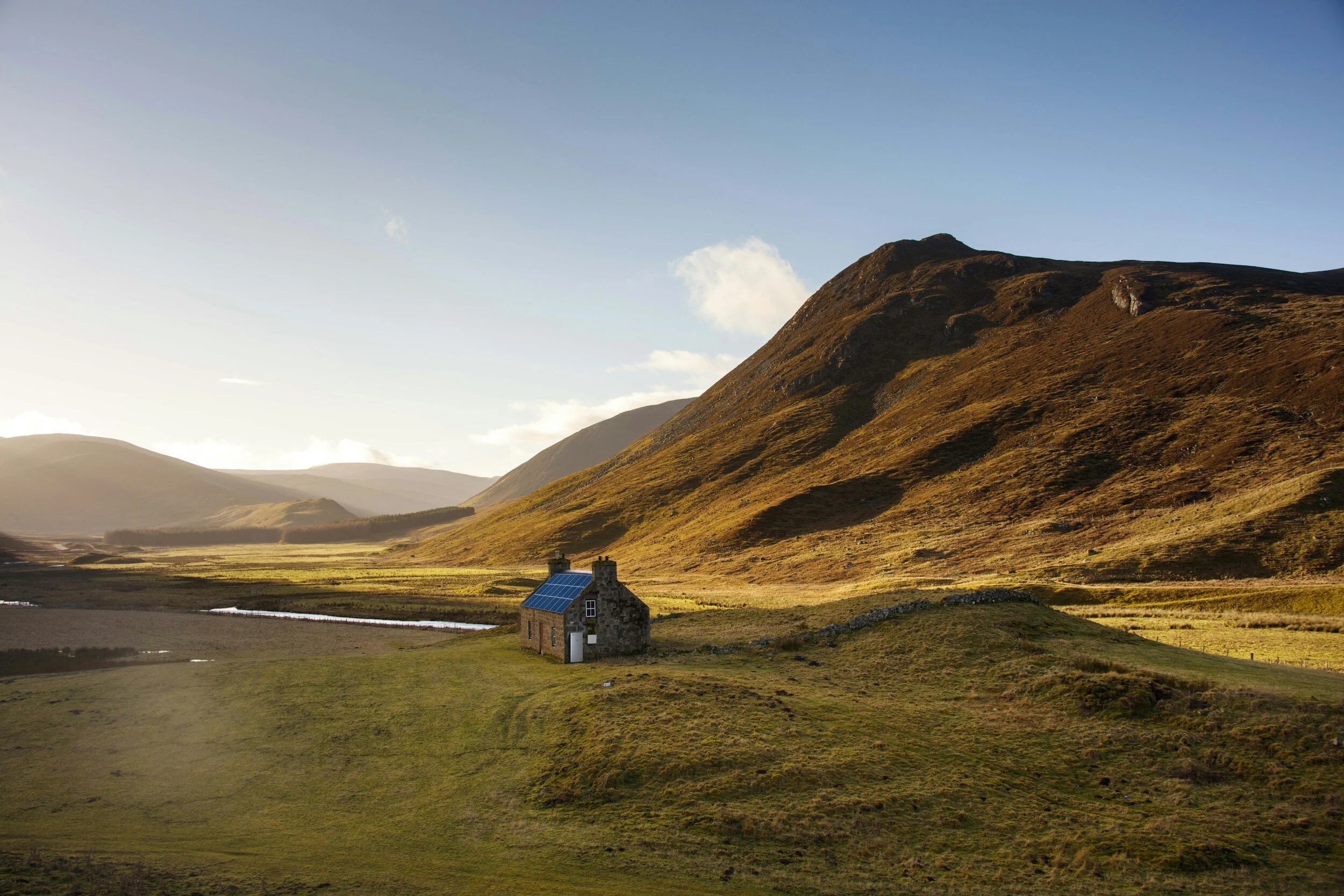
Keep Your Home Running on Clean, Low-Cost Battery Power
What is a home battery?
We install home battery storage across Caithness and Sutherland, so you can store cheap or self-generated power and use it when electricity costs the most. A home battery is very similar to most other batteries you might see from day to day like in a torch or TV remote. The main difference being the size of them, even the smallest batteries are able to store about 2.6kWh of power making them much bigger than an AA. The chemistry can vary across different models but most of them are Lithium Ion and therefore provide good depth of discharge meaning you can run them down to about 10% without damaging the cells unlike older style lead acid batteries.
Why would I want a home battery?
Throughout the years we have had a lot of clients come to us for a home battery system and the reasons for exploring this technology are often one of the following.
Optimizing free power from a new or existing Solar PV array.
As we discuss on our Solar PV page solar panels can be a great way to save money by reducing the amount of power you need from the grid. The Achilles heel of any solar system is that the power is only being generated when the sun is out. Depending on the way the house is occupied this may not be ideal, for example if you are working all day when the sun is out then you might not get much benefit from the free power. Then when you return at night you will have to pay to buy electric from the grid. A home battery can make a huge difference on this front by storing the free power during the day and storing it ready for usage later at night. Its all very well having a Solar PV system which produces 4000kWh of free electric per year, but how much of this is actually being offset against your electricity bill? It’s not unrealistic to think that less than half of the power generated is being used in the house, with the addition of a home battery this figure would be closer to 90%. This translates into direct savings from your energy supplier meaning a home battery will help you make the most of your free solar power and yield significant financial returns.
Making the most of cheap electric tariffs to avoid paying high rates during peak times.
Its often overlooked by most people but even in the absence of solar panels massive savings can be made simply by taking advantage of cheap electricity tariffs. One of the biggest challenges faced by the national grid is how to balance the load of the UK electricity demand. One of the ways they try to do this is to encourage people to buy there electric at night, avoiding high demand at peak times. Many energy providers such as Octopus have very attractive tariffs which can be up to 4 times cheaper than the day rate. By charging your home battery from the grid at night or during the off-peak times you can load the battery with cheap power. During high rate or peak times, you then program the home battery to discharge and avoid paying the penalty for consuming power when everyone else is.
Reliance/backup from the grid
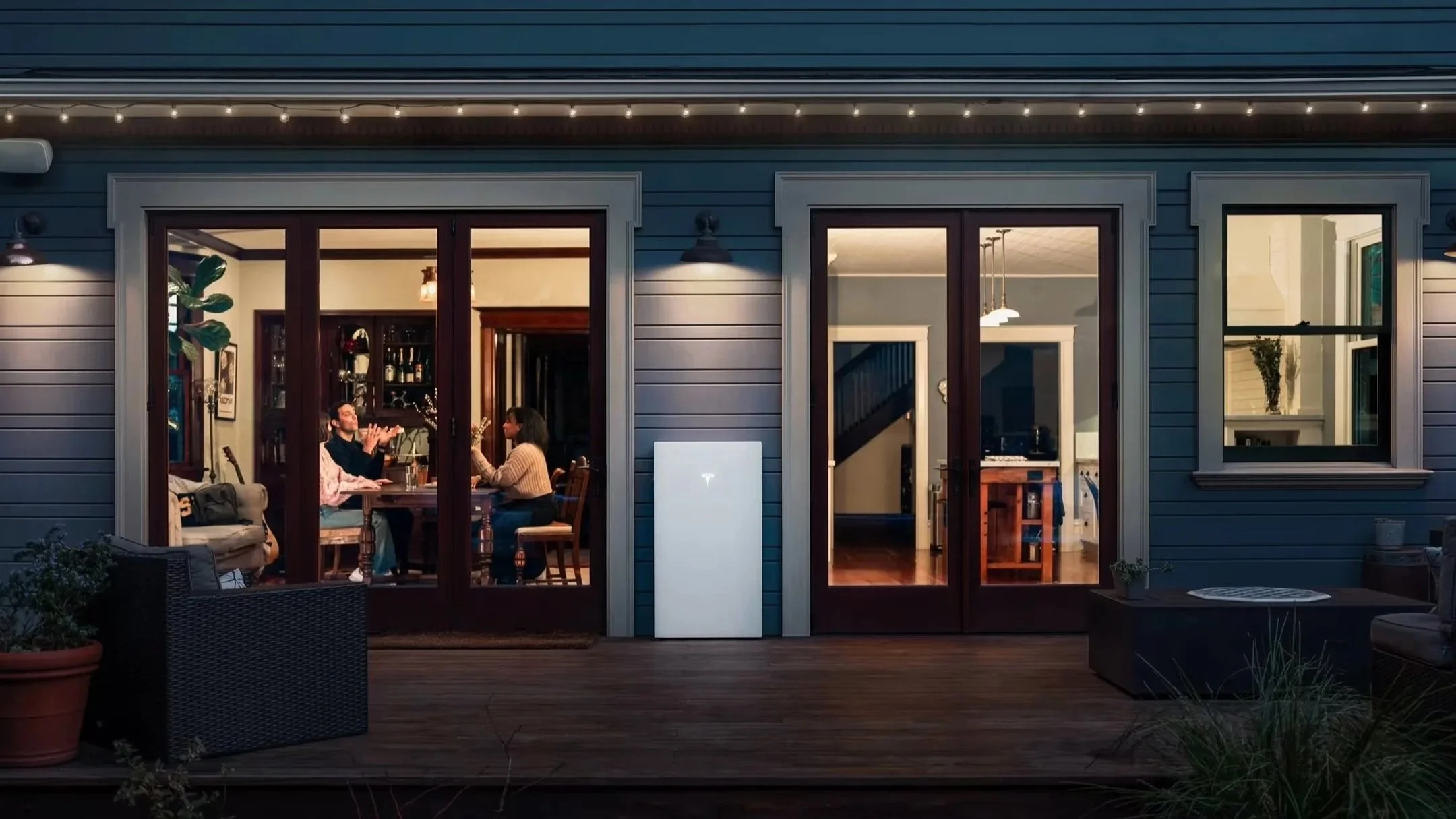
Some clients are concerned that the national grid is struggling to keep up with demand and in danger of becoming overloaded. Or perhaps they live in a rural area which can be subject to lots of power cuts and this may interfere with working from home for example. In these scenarios a home battery can provide a backup power supply to parts or even all of your home to reduce the chance of being left without power. Many clients take comfort in the fact that their home battery is able to keep the lights on in the event of a supply issue.
What size of battery do I need?
This is a very common question and one which is difficult to answer without much more information from you. In order to know what size of battery we need we first need to know what you’re trying to achieve or which of the afore mentioned categories you fall into. Beyond this we normally need to know how much power you are using on a daily basis. If for example you use an average of 12kW per day then with the introduction of a cheap night time tariff you may be able to offset some of this consumption to the cheap night time tariff. Things like washing machine, dishwasher, tumble drier and hot water can all be timed to run at night. This would reduce the amount of consumption during the day meaning a 5.8kW battery may be ample to deal with the average load.
Do I still have electric if there is a local power cut
Yes, but this is not quoted as standard as it drives up the installation cost. Most batteries which we install are capable of running in EPS (Emergency Power Supply) mode or Island mode which essentially means the can provide power in the event the grid power was lost. However, in order to ensure safety and compliance with the appropriate regs there is normally a requirement to install a TT earthing system and additional switches etc. These items can produce you with a system which seamlessly changes you over to your battery backup power in the event of a power cut but will add extra costs on to a quote. As such its always worth considering how much you actually need this sort of functionality, the grid is generally very reliable in the highlands and outages are normally resolved in hours these days. The decision ultimately lies with the client as to how much they feel they want or need this functionality. We are of course happy to provide a quote for either option.
What’s involved in installing a home battery
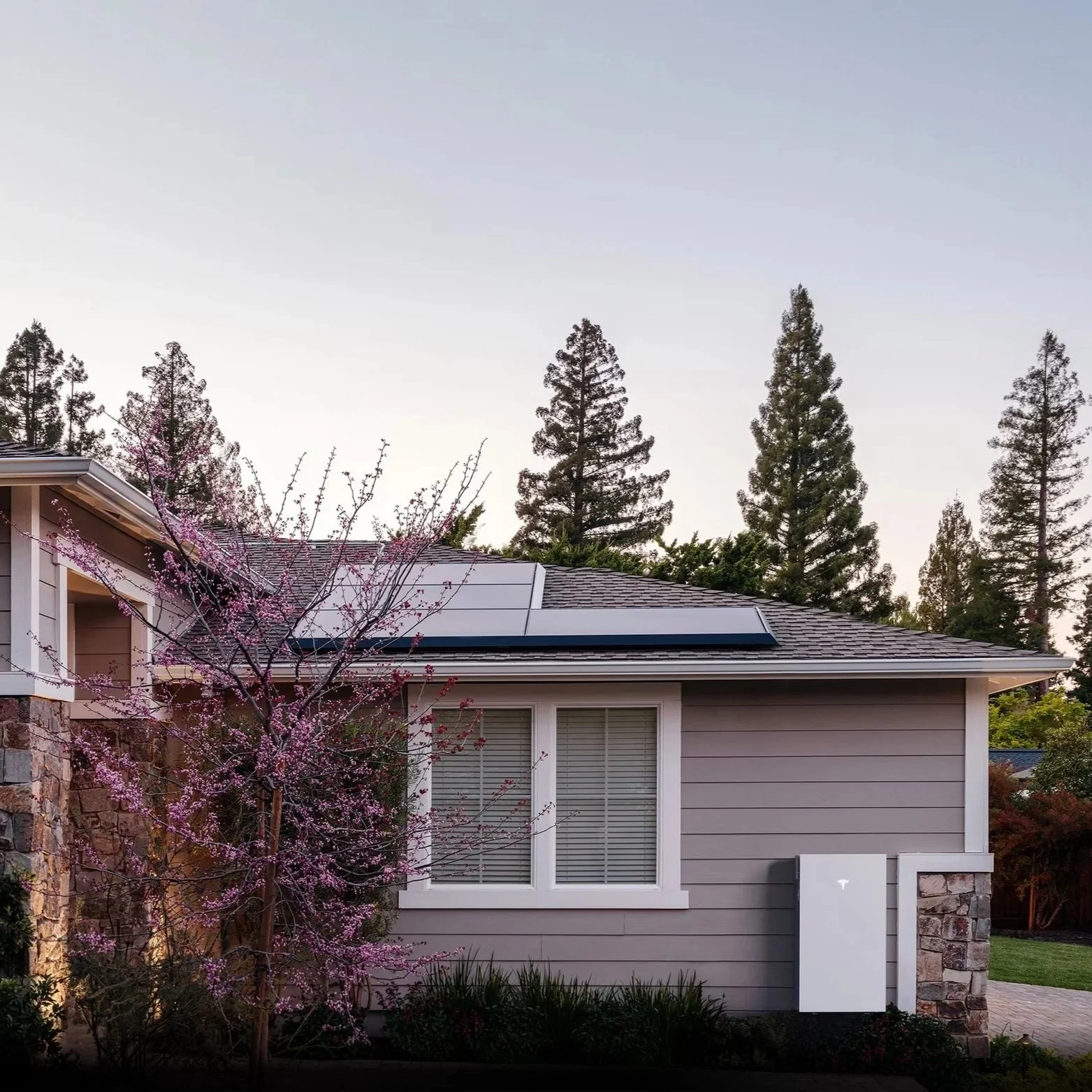
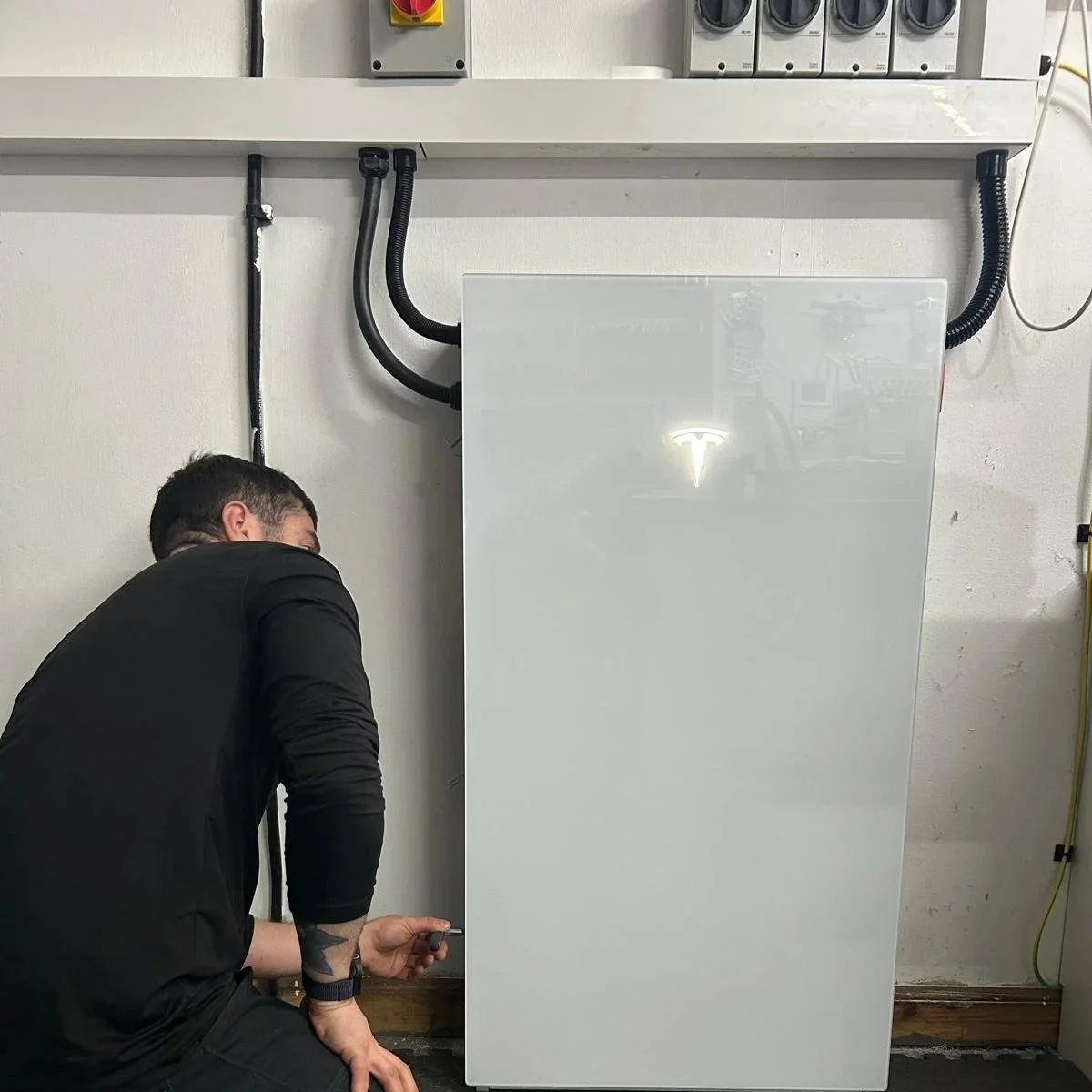
The installation is generally quite straight forward, the biggest obstacle is normally finding a space for the batteries. We often install these in utility rooms, garages and even lofts however certain considerations should be made. Batteries like the same temperatures that we do, generally they are happy at about 25C. For this reason, you may want to try and keep them within the thermal envelope of the house. Some clients prefer to keep them out in the garage as they feel safer knowing the batteries are outside the house in the unlikely event of an issue. Once you have selected an appropriate location its normally a simply case of running a cable from this point to your distribution board and in some cases the battery can be installed in less than a day.
How much room does it take up?
A typical home battery can be anywhere from about the size of a DVD player up to about a gas boiler size. Obviously once you start going big and having multiple batteries linked together for a large storage capacity then the amount of space required goes up proportionately.
Do I need permission?
If you already have existing solar then the answer is probably yes, although no planning permission is required for batteries the DNO will want to know about it. If you can keep the total registered inverter capacity of the system below 3.68kW then you will get away with what they call “connect and notify”. If you go over this inverter capacity then you will need to carryout a G99 application in order to seek permission from SSEN before installing your home battery. Be sure not to get confused with inverter capacity and storage capacity, you may have 20.4kW of storage available which would be the equivalent of your petrol tank storing 20L. Your inverter would be more like a 1.6L engine in this analogy as it is responsible for how much power can be pulled from or charged into the battery.
Why should I use RDI Renewables for my home battery?
Because we have lots of experience and we are local. We have been installing and maintaining home battery systems in and around Caithness now since 2020. We have learned a lot in this time and have the qualifications to back it up. We are able to provide a great deal of after sales support making sure that your home battery continues to operate efficiently well into the future.
What about funding?
Home Energy Scotland have been providing free impartial advice for many years now and they are the best people to contact in relation to this. They will be able to keep you right and let you know what funding you can get access to. This can include very attractive grants and interest free loans.
How do I move forward?
Click here to fill out our contact form and give us as much information as possible. We can quickly provide you with a desktop quotation and follow up with a site visit to survey your house soon after.